


.avif)
Heating Repair in West Haven, UT
Reliable, timely heating repair in West Haven, UT is essential for homes facing cold nights, high seasonal heating demand, and the indoor air issues that come with Utah’s winter inversions. If your furnace, heat pump, or ductless heater is underperforming, understanding common problems, the diagnostic process, repair workflows, and what to expect in terms of safety and warranties will help you make an informed decision and minimize downtime.
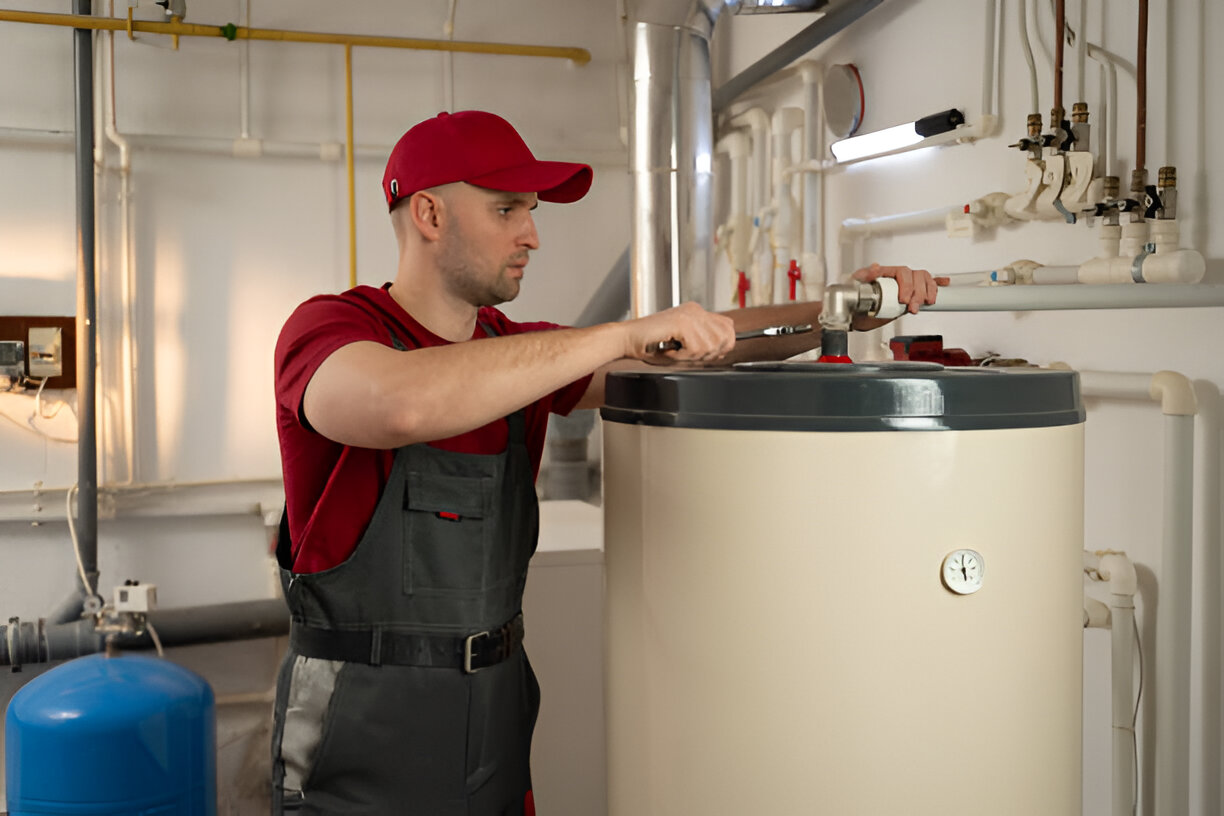
Why heating repair matters in West Haven, UT
West Haven experiences cold winters, wide day‑to‑night temperature swings, and periods of poor outdoor air quality. Those conditions increase run time, stress components, and accelerate filter and heat exchanger wear. Prompt heating repair prevents costly secondary damage, reduces safety risks like carbon monoxide exposure, and restores comfort quickly during peak demand.
Common heating repair issues in West Haven, UT
Homes in West Haven most frequently call for these furnace and heating system repairs:
• Ignition and pilot problems: intermittent ignition, failing electronic ignitors, or clogged pilot assemblies causing no‑heat calls.
• Blower motor and circulation issues: weak airflow, noisy motors, failing capacitors, and worn bearings that reduce heat distribution.
• Thermostat faults: miscalibration, poor wiring, or smart thermostat network issues leading to incorrect setpoints or short cycling.
• Heat exchanger concerns: corrosion, stress cracks, or deformation that can cause combustion leaks and create carbon monoxide hazards.
• Airflow and ductwork problems: blocked returns, collapsed ducts, or dirty filters increasing system stress and uneven heating.
• Safety interlocks and controls: malfunctioning limit switches, pressure switches, and flame sensors that shut systems down.
• Fuel and venting problems: gas valve failures, blocked flues, or venting issues affecting combustion efficiency and safety.
How we diagnose heating problems (what to expect)
A professional heating repair diagnosis focuses on safety and accuracy. Typical diagnostic steps include:
1. Visual and operational inspection
• Check burners, ignition components, visible wiring, and control boards.
• Observe startup sequence to identify where a failure occurs.
2. Electrical and component testing
• Measure voltage, current draw, and continuity on motors, capacitors, and transformers.
• Test thermostat signals and control outputs.
3. Combustion and venting inspection
• Evaluate burner flame quality, fuel pressure (for gas systems), and vent/air intake paths.
• Look for signs of soot, corrosion, or flue blockages.
4. Heat exchanger and safety checks
• Inspect heat exchanger for corrosion or cracks; perform combustion gas analysis and carbon monoxide checks when indicated.
• Verify limit switches, pressure differentials, and safety interlocks are functioning.
5. Airflow assessment
• Measure static pressure and airflow through supply and return to identify clogged filters, duct restrictions, or blower issues.
A full diagnostic includes clear documentation of faulty components, suspected causes, and recommended repair vs replacement options.
Parts replacement and repair workflow
Heating repair in West Haven follows a structured workflow to restore reliable operation and capture long‑term value:
• Prioritize safety: any suspected heat exchanger crack or CO risk triggers immediate shutdown until the issue is resolved.
• Obtain the correct parts: preference is given to OEM parts when available; alternatives are evaluated for compatibility and longevity.
• Repair sequence: replace faulty ignition assemblies, capacitors, motors, or sensors; clean burners, flame sensors, and condensate/drain paths; adjust gas pressure and airflow.
• Testing and validation: after repairs, systems are run through multiple cycles to confirm stable ignition, proper airflow, correct thermostat response, and safe combustion.
• Documentation and advice: technicians record repairs, replaced parts, and maintenance recommendations so owners understand what was done and why.
Emergency response and scheduling considerations
Heating failures in freezing temperatures require fast action. Emergency repair protocols typically include safe temporary measures (like isolating faulty components or providing safe circulating heat), prioritized scheduling for high‑risk households, and clear timelines for delivering parts. In West Haven, where winter lows increase urgency, expect technicians to address life‑safety issues first and offer options for rapid restoration versus planned follow‑up work.
Pricing expectations and cost drivers
Costs for heating repair are driven by complexity, parts required, and safety implications. Typical cost drivers include:
• Diagnostic time and safety testing (CO checks, combustion analysis)
• Replacement components (ignitors, blower motors, control boards, heat exchangers)
• Labor for disassembly, reassembly, and system calibration
• Emergency or after‑hours service
• Warranty coverage on parts and labor
Rather than specific figures, anticipate that replacing critical components like heat exchangers or major motors will represent a larger investment than routine repairs such as sensors or filters. Always request documentation of parts and labor warranties.
Warranty, safety checks, and compliance
Post‑repair safety verification is non‑negotiable. Standard checks include:
• Carbon monoxide and combustion gas testing after any combustion repair
• Confirming proper venting and flue integrity
• Verifying electrical connections, grounding, and safety interlocks
• Recalibrating thermostats and controls
• Recording manufacturer warranty data and any local code compliance inspections
Make sure repairs come with clear workmanship guarantees and that replacement parts carry manufacturer coverage when available.
Tips to minimize downtime in West Haven homes
Small preventive measures reduce the likelihood and impact of heating failures:
• Change filters regularly and use quality filters suited to your system and local dust/PM conditions.
• Schedule annual furnace maintenance before the heating season to catch wear early.
• Keep supply and return vents unobstructed and verify attic/crawlspace ductwork is insulated and intact.
• Use programmable or smart thermostats to reduce unnecessary cycling and track system performance.
• Clear snow, debris, and ice from outdoor units and combustion air inlets.
• Maintain a plan for temporary alternate heating in case of extended repair timelines.
Bottom line
Heating repair in West Haven, UT requires prompt, safety‑focused action because of seasonal cold and heavier system demand. A clear diagnostic, transparent parts and labor workflow, documented safety tests, and appropriate warranty coverage restore comfort quickly and reduce long‑term costs. Regular maintenance and attention to airflow, filtration, and thermostat settings are the most effective ways to keep your heating system reliable through West Haven winters.
Customer Testimonials
Our customers commend our outstanding service and competitive pricing, valuing the personalized attention and expert advice that make us their preferred HVAC provider.

AC failed this past spring. I received 5 bids from big comany’s to small local companies. I decided to go with Luna because of their price and support. For the money I felt Luna gave me the best equipment. Jamie was awesome. He came to my home and answered all my questions then gave me several options to choose from. The install went exactly as planned with no extra cost. Thank you Luna.
Absolutely amazing company! Very polite. I needed help in the middle of the winter with a furnace issue and they quickly fixed my heat so I asked for a bid for a complete replacement. They did a complete replacement in one day and I couldn’t be happier.I highly recommend anyone in need of any heating and air conditioning problems to call them.
I've had many interactions with Jaime, and they are all positive. Each time he was at my home within a couple of hours or less. Very knowledgeable, very pleasant and personable and a huge bonus that he offers a discount for military veterans. I would never hesitate to call again in a time of need. He's so reliable in a world of no shows in business. I highly recommend his company for any of your HVAC needs
Fast, honest, and trustworthy. Jaime was fantastic to work with. He gave us great feedback and was the best price of the 3 companies we got quotes from. I got his number from a neighbor who also had a great experience with him and recommended him highly to me.
We're super happy with Jaime's work. He is honest and straightforward, does a good job, and gets there significantly faster than the big chain businesses do. We'll keep going back to him for tune-ups and any other needs in the future.
Needed furnace blower motor replaced next day service. Jaime and his son took care of issue quickly and efficiently. Would definitely recommend will use again and again. Had water heater and ac capacitor replaced in past. Same great service and prices
Jaime was great to work with and did a fantastic job installing our heater and air conditioning. He is responsive and helpful, all for an unbeatable price. The installation is clean and professional, and our unit has worked great through some cold nights
My system came with a ten year parts and labor warranty. I had an issue with my new system condensation tune leaking. Luna Heating and Air came out ASAP and took care of the problem. Excellent customer service. Will always recommend.
Jaime is fantastic. I built a second home and had him do the HVAC work. Since then I've had him do some other repairs on my primary home . Great sense of humor. Professional, fair and very responsive. Highly recommend him.
Jaime did the entire HVAC system on my new home. He did a great job and came in at a great price. He is very responsive and easy to work with. I would reccomend him anyday.
As a consumer, I feel like I have to choose between a price OR quality work. Luna does BOTH - quality and at a fair price. My experience is that that is so rare - I had to provide feedback of excellent service 5 stars and will always recommend and call Luna for future services.
